
U.S. Economy

Kinlin Blog Workforce 30161 20140111 1 300x200

Women and Men Declining in the Workforce

A recent article in Bloomberg sounded the familiar alarm: “Modern Motherhood has Economists Worried.” Bloomberg looked at data from 1970-2000 among those aged 25-54, showing women’s increase in the working population, while showing men’s moderate decline. Quoting a Janet Yellen speech at Brown University, the writer goes on to state:

Women and Men Declining in the Workforce Read More »

Leadership

Preserving and Managing Family Wealth Increasingly a Woman’s Domain

Preserving and Managing Family Wealth Increasingly a Woman’s Domain A recent Wealth Management.com story notes that, according to RBC Wealth Management’s Wealth Transfer Report 2017, the responsibility of managing and preserving family wealth is increasingly in the hands of women. Among the study’s most striking findings:

Preserving and Managing Family Wealth Increasingly a Woman’s Domain Read More »

Industry 4.0 1024x497 1024x497 1024x497

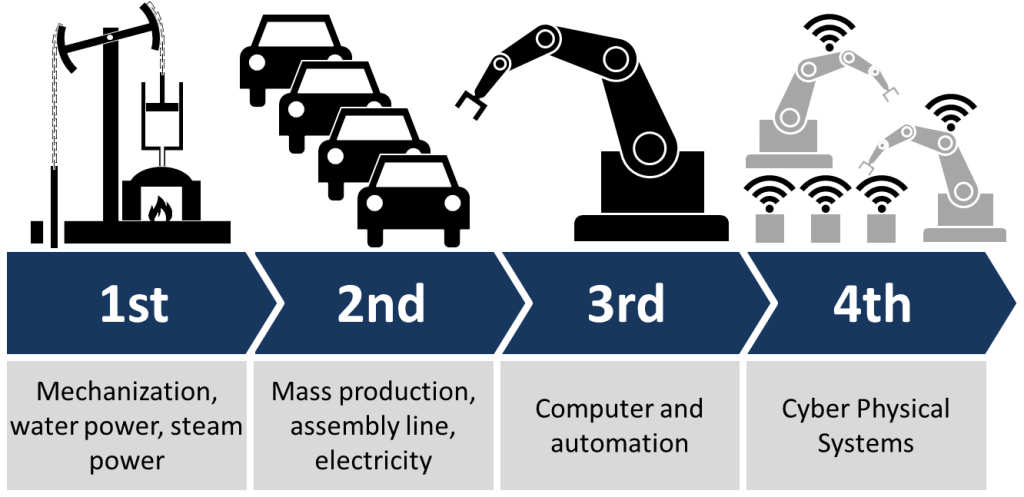
The Fourth Industrial Revolution is Coming

I’ve referred to topics surrounding the fourth industrial revolution in past blog posts about automation, and disruption in financial services. The fourth industrial revolution is worthy of its own discussion, in particular because the World Economic Forum focused on it at its 2016 meeting in Davos, Switzerland. Executive Chairman of the World Economic Forum Klaus

The Fourth Industrial Revolution is Coming Read More »

People, Not Machines, Pave the Way Forward

A recent study by a global executive search firm found that people, not technology, are the most important asset to global economic growth. Human capital represents a $1,215 trillion gain for the global economy, while “physical” capital (technology, real estate, and inventory) represents $521 trillion. These results may appear unsurprising yet need to be articulated

People, Not Machines, Pave the Way Forward Read More »

Fintech: Opportunity or Disruption for Financial Services?

The financial services industry is slow to change. The high stakes inherent in the management of money, including the ever-present risk of decreased assets, has stilted the willingness to think outside the box in other areas. In addition, we cannot discount the fact that government regulation makes it difficult for financial services to innovate. We

Fintech: Opportunity or Disruption for Financial Services? Read More »

The Department of Labor’s Fiduciary Rule Causing Anxiety

In April 2016, the Department of Labor (DoL) released its much-anticipated regulation regarding the Conflict of Interest Rule for retirement investment accounts. Under the new rule, advisors will be held to a fiduciary standard—acting solely in the client’s best interest. This change will affect advisors’ compensation, and has caused controversy in the industry since the

The Department of Labor’s Fiduciary Rule Causing Anxiety Read More »